
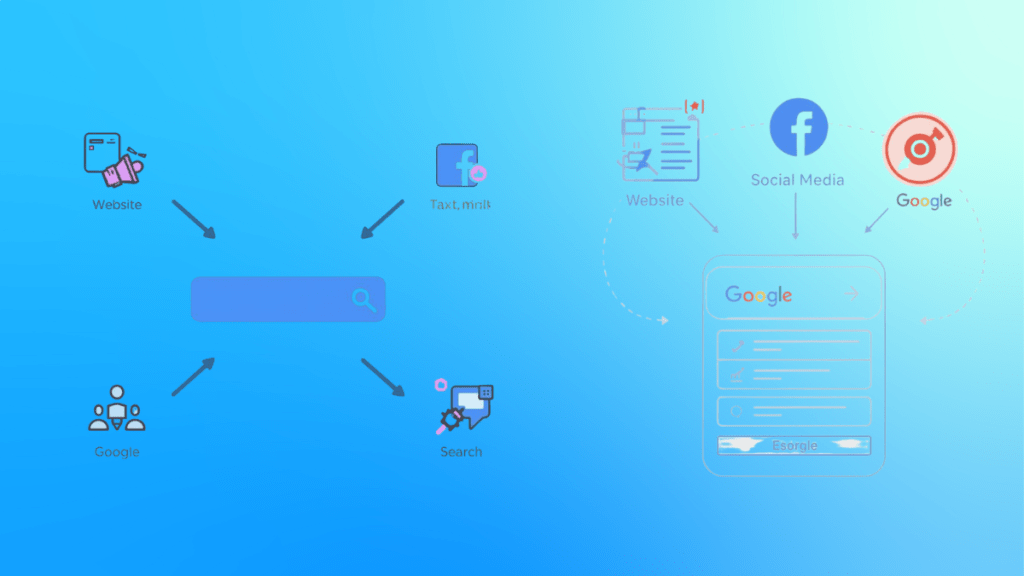
Most people think that to get leads, is a difficult task and only big companies do.
In reality, it’s something every growing business, freelancer, or learner eventually needs to understand.
Not to sell aggressively — but to stay organised, responsive, and visible.
This post is not about selling services.
It’s about understanding how lead generation and automation actually work, in simple terms.
What “Lead Generation”really Means
A lead is simply someone who shows interest.
That interest can look very small:
- A WhatsApp message
- A form submission
- A missed call
- A reply to a social media post
Behind that action is a real person — curious, unsure, hopeful, or ready to decide.
Lead generation is not about collecting data.
It’s about creating space for conversations to begin.
Why Most Leads Get Lost (Without Anyone Noticing)
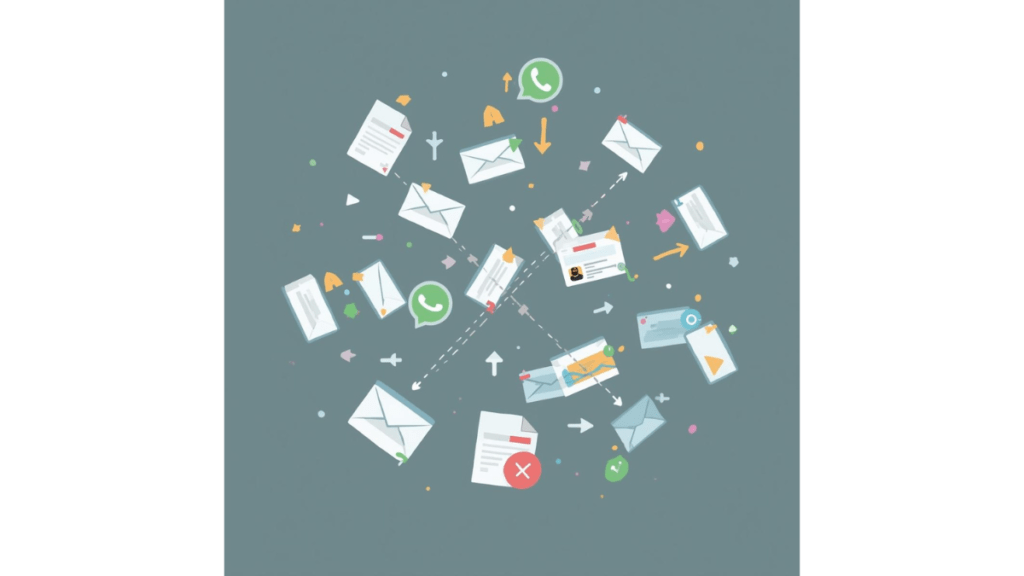
Leads don’t disappear because people don’t want to respond.
They disappear because:
- Messages arrive when you’re busy
- Enquiries get mixed with personal chats
- Follow-ups are forgotten
- There’s no single place to track them
Over time, this creates stress.
Not because business is slow — but because it’s unorganised.
Lead Generation Starts With Clarity, Not Tools
Before choosing tools or platforms, one question matters most:
Where should people contact you easily?
For some, it’s:
- A WhatsApp button
- A simple form
- A Google listing
- A social media inbox
When the path is clear, people don’t hesitate.
When it’s confusing, they leave quietly.
Common Tools People Use for LEAD GENERATION(And Why They Work)
You don’t need complex software to start.
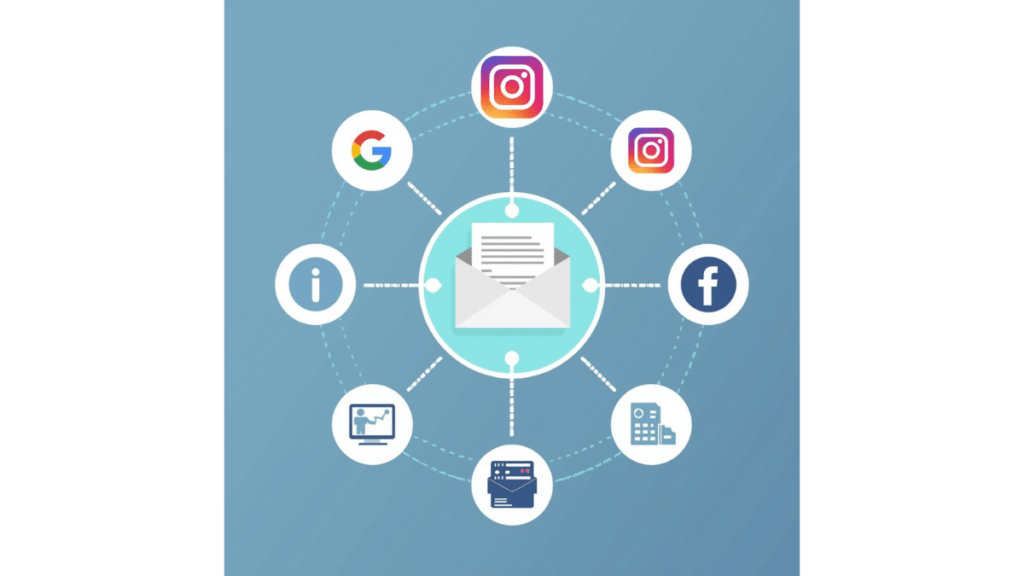
Many people use:
- Google Forms for basic enquiries
- WhatsApp buttons for quick contact
- Simple landing pages for clarity
- Google Sheets to track leads
- Email notifications for awareness
These tools work because they are:
- Familiar
- Easy
- Low maintenance
The goal is not automation — the goal is reliability.
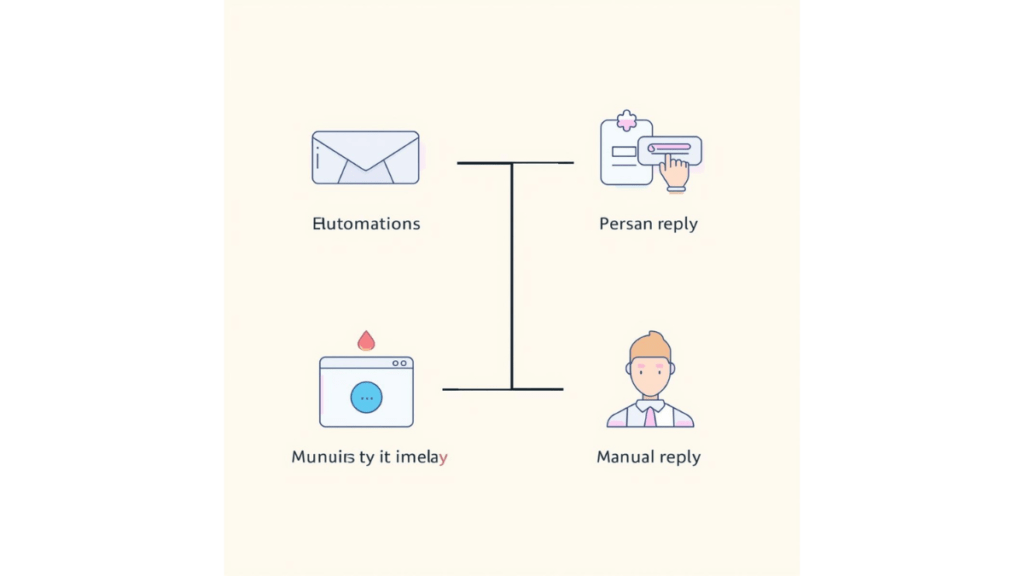
Automation Is Not About Speed — It’s About Care
Automation often gets misunderstood.
Good automation:
- Acknowledges messages
- Sets expectations
- Saves mental energy
A simple message like:
“Thanks for reaching out. We’ll get back soon.”
…does more than silence ever could.
Automation doesn’t replace humans.
It buys time for humans to respond better.
Where Leads Usually Come From
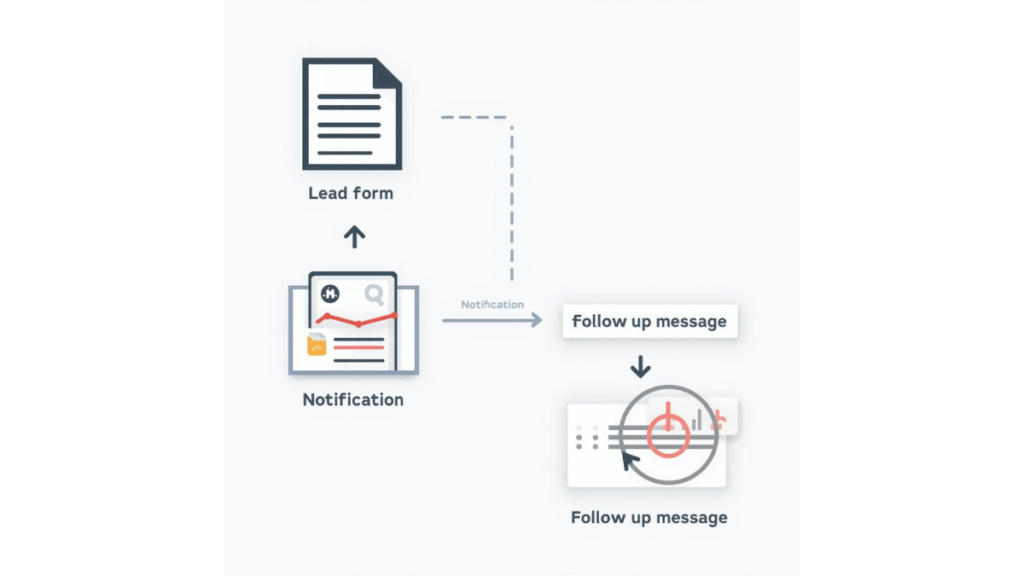
Leads don’t appear randomly.
They usually come from:
- Search (Google)
- Social media visibility
- Referrals
- Content that answers real questions
The more helpful and honest your content is,
the more comfortable people feel reaching out.
Ads vs Organic Leads (A Calm Comparison)
Organic leads:
- Come slowly
- Build trust over time
- Cost time, not money
Paid leads:
- Come faster
- Need clarity in messaging
- Require tracking
Neither is good or bad.
What matters is understanding expectations.
Tracking Leads Without Overthinking
Tracking doesn’t need dashboards.
A simple list can include:
- Name
- Contact
- Date
- Status
What matters is consistency, not perfection.
Even writing things down brings relief.
Why This Matters Beyond Business
Lead generation teaches something deeper:
- How people decide
- How communication works
- How trust is built online
For students, freelancers, or job seekers, this knowledge opens doors.
It’s not about earning fast.
It’s about understanding systems.
A Gentle Thought to End With
Most people don’t need more leads.
They need:
- Fewer missed messages
- Clearer systems
- Less stress
- More peace of mind
Lead generation and automation, when understood calmly, offer exactly that.
Not noise.
Not pressure.
Just clarity. ❤️
I also want you to check this page from salesforce.com which have extensive information and knowledge about lead generation tools and tips. Click Here.
For our services on Lead Generation, please visit this page.